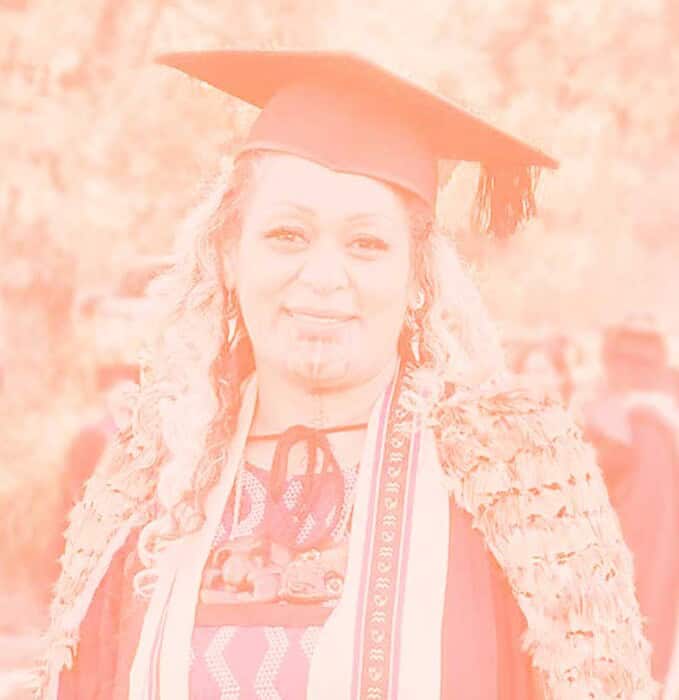
From community nurse to Fulbright scholar: how Ebony Komene is using research to improve healthcare for whānau
Working as a community nurse in South Auckland, Ebony Komene cared for whānau experiencing chronic illness, mental health challenges and the impacts of health inequity. The experience would ultimately shape the direction of her career.
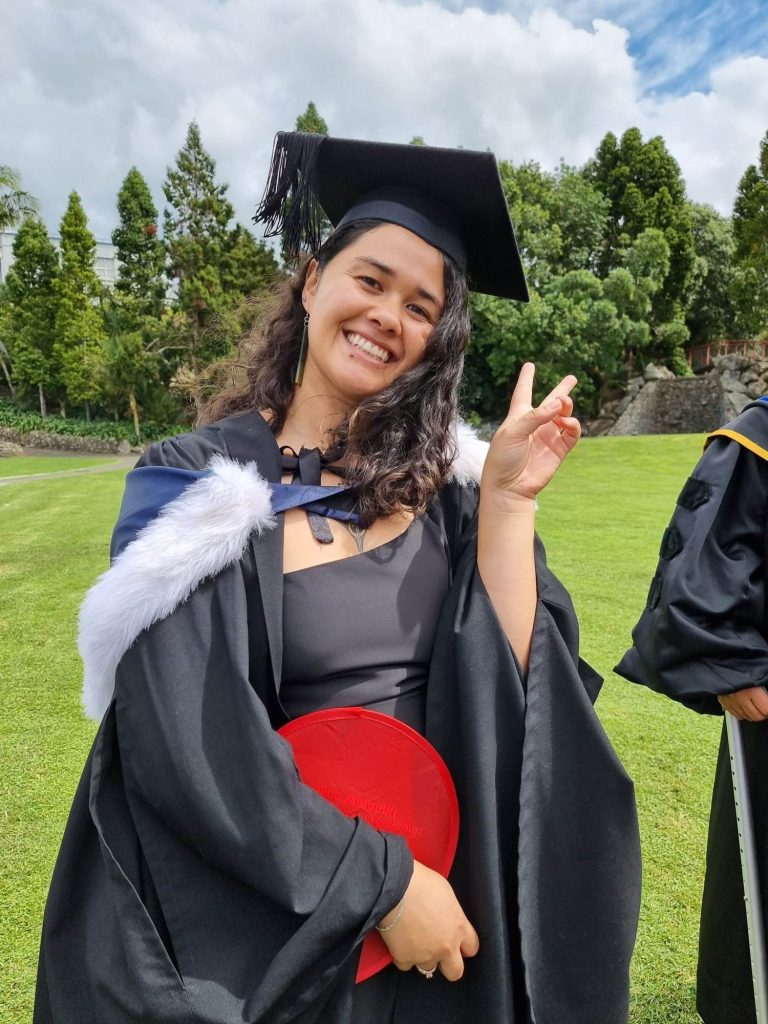
“The people I was caring for were reflections of my own whānau. My whānau have experienced chronic health conditions, mental health challenges and domestic violence, and I’ve seen how healthcare systems haven’t served their wellbeing,” she says.
“But I’ve also seen how resilient whānau are in continuing to turn up to these spaces because they prioritise their health, even though the health systems we have don’t always prioritise them.”
Those experiences sparked Ebony’s interest in research, giving her a way to explore not only the immediate challenges she was seeing in practice, but the deeper questions about how healthcare systems could better serve whānau.
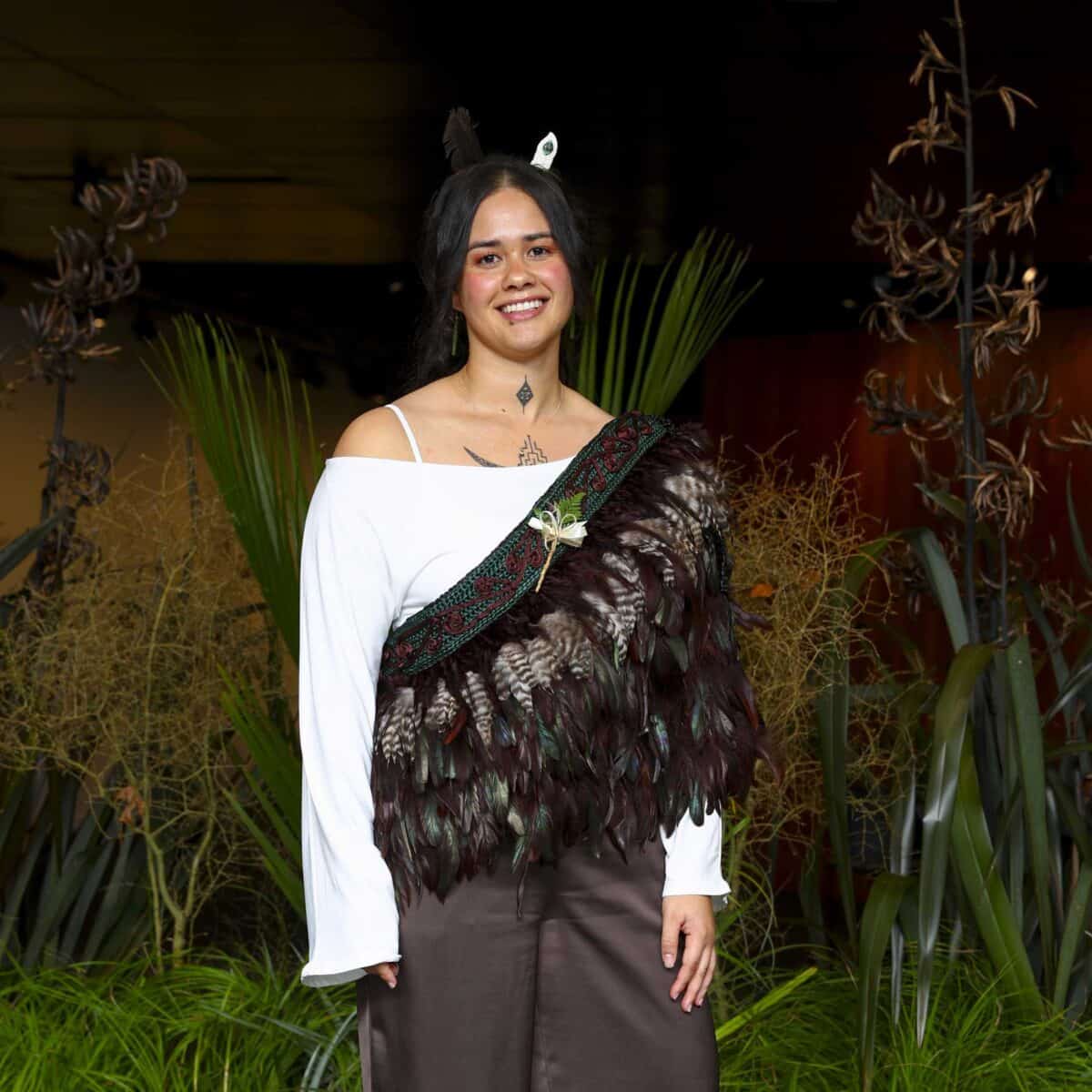
From community nurse to nurse researcher
Ebony never planned to become a researcher. A first-generation university graduate, she initially enrolled in an arts degree before discovering nursing through a career counsellor.
Community nursing quickly felt like the right fit. Working alongside whānau every day, including throughout the COVID-19 pandemic, she also discovered another passion: research.
One of her earliest research projects explored eczema care in primary care, opening her eyes to the role research could play in improving nursing practice.
“It opened up the definition of nursing for me. I think in nursing we often have public perceptions that nurses are just people who care, are hands-on and do tasks. But when we really look at nursing, nursing is broader than that: we have nurse leaders, nurse educators, clinical specialists and nurse researchers, for example,” she says.
“Research is a valuable tool in nursing because it’s how we generate the knowledge we need to improve practice. It opens up another way for nurses to make a difference, not just through the care we provide today, but by improving the care for the future.”
That growing interest eventually led Ebony to doctoral research exploring how Māori Nurse Practitioners combine mātauranga Māori with advanced nursing practice to improve health outcomes for whānau.
Backing research that makes lasting change
As she embarked on her PhD in 2024, the Nursing Education and Research Foundation (NERF), now Nursing Research Aotearoa | Te Pou Rangahau Tapuhi o Aotearoa, awarded her a Research and Innovation Grant.
The grant came right at the beginning of my PhD. Funding like this is really important because it helps bridge inequities in access to postgraduate education and research. Only around one percent of New Zealanders have a PhD, and I don’t think I would have been able to undertake this research and generate the knowledge that I needed without that support.
For Ebony, the grant’s greatest contribution wasn’t simply covering research costs. It meant she could carry out her research in a way that upheld tikanga and respected the people who entrusted her with their knowledge.
“People don’t always realise how expensive research is. The funding supported practical things like koha for those sharing their knowledge, kai, travel, transcription and research software, but it also meant I could maintain tikanga throughout the research process. The funding was a tool that I used to ensure the integrity of this research was upheld,” she says.
Knowledge isn’t knowledge if it’s not shared
Today, Ebony is completing what is believed to be the first doctoral study exploring Indigenous Nurse Practitioner practice. Already, the research is uncovering findings that could influence how Nurse Practitioners are educated, supported and integrated into primary healthcare.
One of the study’s most significant findings, she says, is that improving access to healthcare isn’t only about growing the workforce or increasing services. It’s also about the quality of the relationships people experience when they seek care.
“I’ve uncovered recommendations about how we educate, support and implement the Nurse Practitioner role, but also how we deliver primary healthcare.”
“We often think access to healthcare is simply about increasing services or increasing the workforce. Those things matter, but I’ve found it’s also about the quality of healthcare relationships. Māori Nurse Practitioners are really well versed in understanding this, and I think that has huge implications for how we think about primary care.”
For Ebony, that’s the power of research. It gives nurses the evidence to challenge assumptions, rethink how care is delivered and improve outcomes for the communities they serve, for generations to come.
“Research is about generating the knowledge we need to make the changes we’ve already been trying to make. The evidence that research offers us is another way for us to do the mahi that is important.”
Ebony believes Māori researchers must help define the questions, priorities and solutions that matter most to Māori communities.
If we’re not telling our own stories, they’ll be told for us. I’ve been able to reimagine research for Māori by making sure that we are at the centre and we’re defining what we need, so that it’s not just changes that we see for today, but the changes we need for our mokopuna seven generations from now.
Looking back, Ebony says nursing transformed not only her career, but what she believed was possible.
“I realised the limitations I’d placed on myself weren’t real. Nursing has been an avenue for me to become a better person, but to also become a leader in a way that my whānau are proud of.”
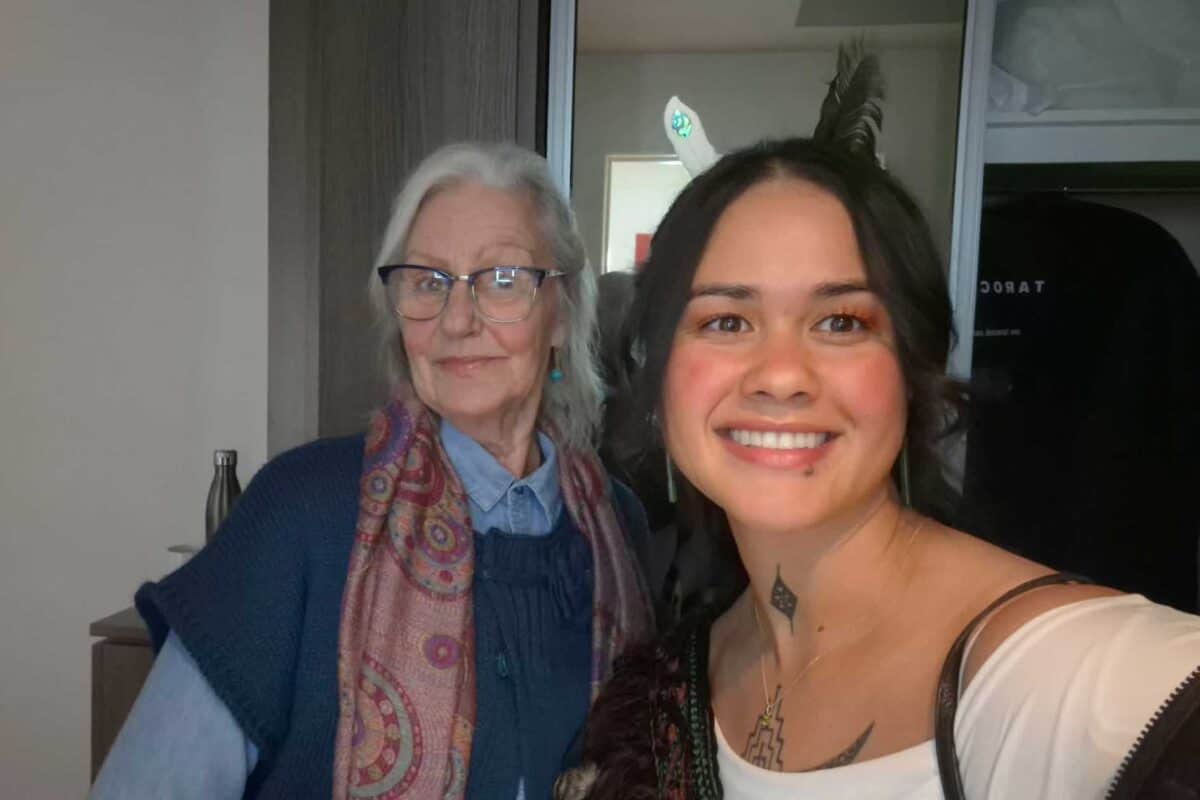
From Aotearoa to the world stage
In 2026, Ebony’s work was recognised internationally when she was awarded a prestigious Fulbright Graduate Award. The award recognises emerging researchers with the potential to make a significant contribution in their field.
The scholarship will see her spend nine months collaborating with leading Indigenous nursing researchers in Seattle and Hawaiʻi before bringing those learnings and relationships back to Aotearoa New Zealand.
As she prepares for that journey, Ebony hopes more nurses will have the opportunity to follow their own research paths. Looking back, Ebony says receiving the Research and Innovation Grant at the beginning of her PhD gave her the confidence, and the practical support, to pursue research with the integrity it deserved.
“Ngā mihi nui ki the NERF committee. These funds are reshaping the way we do research. If we don’t have these funds, we’re not able to change the trajectory for nursing in Aotearoa. This funding is essential.”
Ebony’s story demonstrates what’s possible when nurses are given the opportunity to ask important questions, pursue meaningful research and turn their insights into better care. By investing in nurse-led research, Nursing Research Aotearoa | Te Pou Rangahau Tapuhi o Aotearoa is helping ensure the people closest to the challenges are also shaping the solutions, creating knowledge that will improve healthcare for generations to come.
Our scholarships and grants support nurses, midwives, kaiāwhina, caregivers, researchers and students at every stage of their careers. Explore the opportunities and see where your journey could take you.
View Scholarships & Grants.